

Microsoft Purview pricing is changing!
Month: October 2024
Microsoft Purview’s New Pay-As-You-Go Pricing Model
UPDATE November 1, 2024
Pricing change will be postponed to January 6th, 2025.

Starting November 1, 2024, Microsoft Purview is set to introduce a new pay-as-you-go pricing model for its Data Governance and Data Security capabilities. This update is designed to extend the benefits of Microsoft Purview beyond Microsoft 365, allowing organizations to manage costs more effectively by paying only for the resources they use.

What’s New?
Switching to this new model brings several enhanced features and capabilities:
- Enhanced Data Security Features: Now available for non-Microsoft 365 environments, these features include classification, labeling, and protection, ensuring robust security across various platforms.
- Redesigned Data Governance Solution: This includes new capabilities such as:
- Easy-to-Use, Business-Friendly Data Catalog: Simplifies data discovery and management for business users.
- Top-Notch Data Quality and Health Management: Ensures high data quality and maintains the health of your data assets.
- Built-In Governance Controls: Provides integrated controls to help manage and enforce data governance policies effectively.
Next Steps
Data Governance Customers
To take advantage of the new capabilities when they become available in your region, you need to consent to switch to the pay-as-you-go model by October 31, 2024. If you do not provide consent by this date, you will remain on the classic pricing model and lose access to the new Data Governance solution after November 2, 2024.
Data Security Customers
Starting November 1, 2024, the pay-as-you-go features for non-Microsoft 365 data in Insider Risk Management and Information Protection will transition from free to a paid preview. To continue using these features, you must consent to switch to the new model before February 28, 2025. If you do not consent by this date, you will lose access to these features, and any protection applied to non-Microsoft 365 data sources will be removed.
Pay-As-You-Go Billing Model
For organizations that operate in multi-cloud environments, the pay-as-you-go billing model offers greater flexibility. This model extends Microsoft Purview’s capabilities beyond Microsoft 365 to include environments such as Azure, AWS, GCP, Box, and Dropbox. The pay-as-you-go model charges based on actual usage, allowing organizations to scale their usage up or down as needed, providing cost efficiency and flexibility.
This model utilizes two types of meters:
- Asset-Based Meter: This meter counts non-Microsoft 365 items, such as servers, tables, or files.
- For more detailed information, you can explore the data governance asset concepts.
- Processing Unit-Based Meter: This meter measures the compute units used for data security and governance tasks.
- For more detailed information, you can explore the data governance processing unit concepts.
Microsoft Purview Data Catalog new pricing model with 2 meters that run based on:
- Number of unique governed assets per day
- Data Management processing units per run
More details on the what is a Governed Asset, can be found here and processing units can be found here.
Consent and Subscription
Existing Azure Purview customers need to provide consent to switch to the pay-as-you-go model. New customers can link their Azure subscription to start using these features immediately. This ensures a seamless transition and integration with existing Azure services.
Conclusion
Microsoft Purview’s billing models are designed to provide flexibility and scalability, catering to the unique needs of different organizations. Whether you are heavily invested in Microsoft 365 or operate across multiple cloud environments, Microsoft Purview offers a billing model that can help you manage your data governance and security efficiently.
By understanding these billing models, organizations can make informed decisions that align with their operational and financial goals, ensuring robust data governance and security in an ever-evolving digital landscape.
You have some guidelines to define the pricing. As soon as the new pricing model starts, I will try to make the a calculation example so that you will an example for your organization.
Links
Microsoft Purview Data Catalog
Microsoft Purview Data Catalog billing consent
Microsoft Purview data governance pricing concepts
Microsoft Purview data governance pricing announcement
- Fabric Metadata Driven Framework July 2026 Release Notes

- Reassigning Microsoft Fabric Capacities in Bulk: Don’t Let an Expiring Trial Catch You by Surprise
- Bringing Column-Level Lineage from Microsoft Fabric to Microsoft Purview with FMD
- My first experience: Building a Fabric App
- Fabric Metadata Driven Framework update May 2026


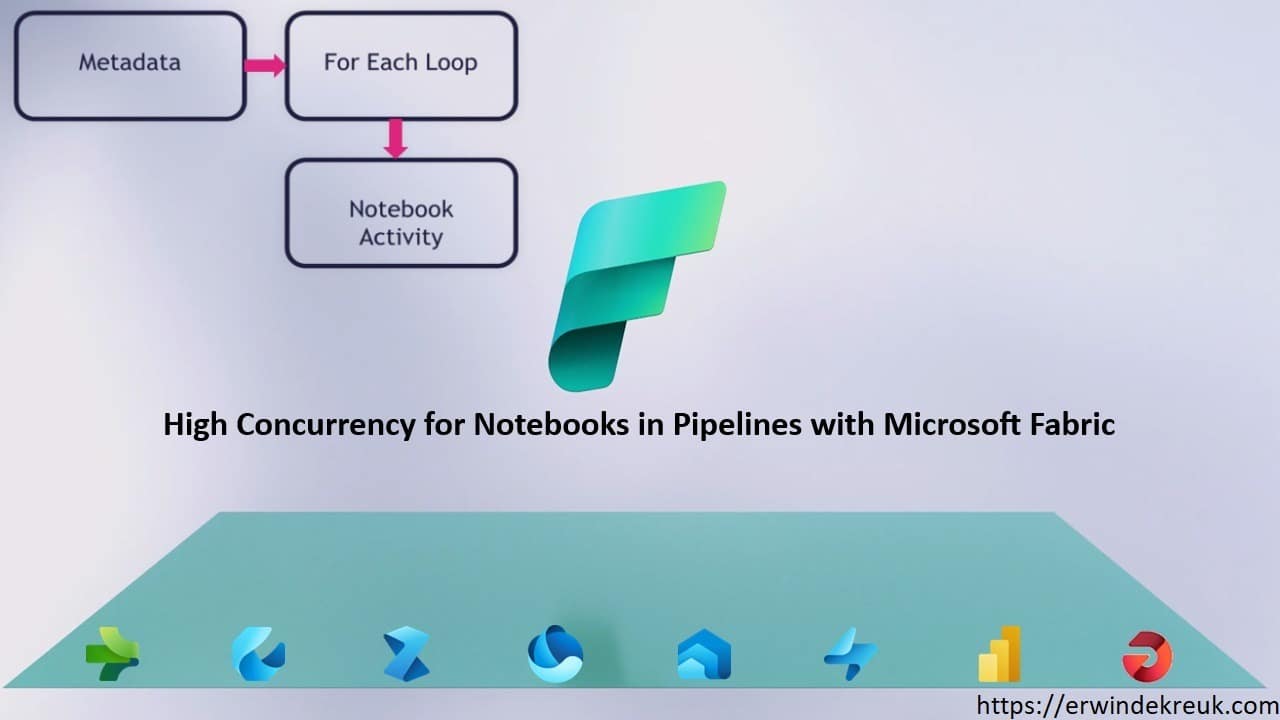
 Enable High Concurrency in WorkspaceOnce enabled, all notebook sessions triggered by pipelines will be packed into high concurrency sessions automatically.
 Create Pipeline with Notebook Activity
 Enable session tag on Notebook
 Notebook Execution before session startedBelow an overview in the Monitor when the session started
 Notebook Execution when session startedOverview of all the executed Notebooks
 Notebook Execution when session was finished