
SQLBITS 2022

SQLBITS 2022

SQL BITS 2022

What a great time I had

Wednesday 9th of March the time had finally come, at 1830 my plane would leave for London City. After all the preparations over the past few weeks, the time was there. After arriving in London City and checking in at the hotel, I went straight to the Venue. Wednesday evening was dominated by Games and Burgers. But for me it's mainly about having a chat with many people. Wow that was a really long time since I'd seen some of them.

Volunteer

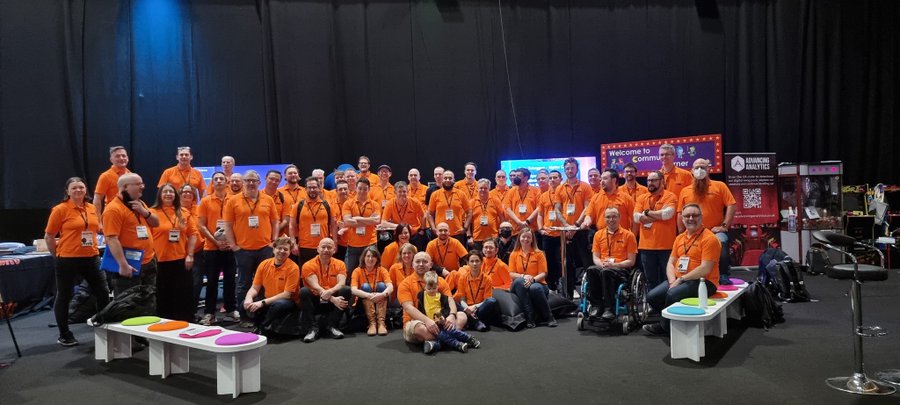
This year I volunteered for the first time. That means being at the site early every day at 7:30 AM. After we have had the briefing, each volunteer can take up his task. For me, these tasks mainly consisted of monitoring and moderating various sessions, so that the speaker can focus on his sessions and that any questions from the Virtual attendees could be passed on to the speaker. In addition to monitoring this session, you serve as a source of information and an example for visitors and you are part of the Orange Family.
SQLBITS Volunteer

Sessions

On Friday it was finally time to present my own sessions. I started the day with my session on:

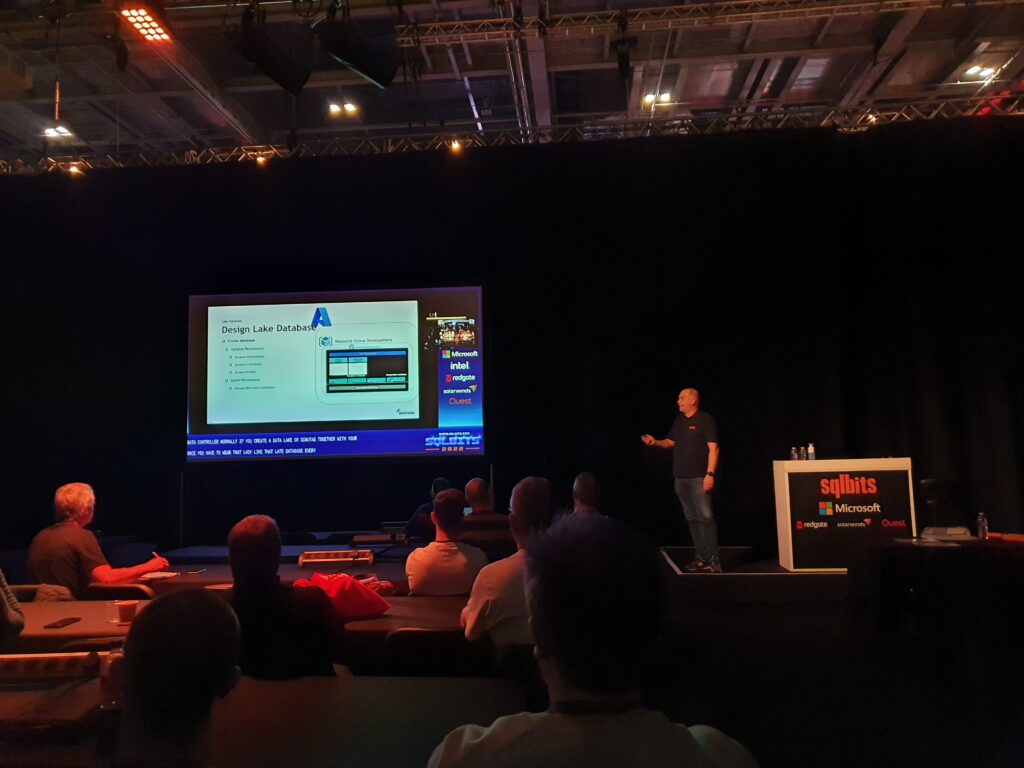
Lake Database with Database Template and Mapping Data with Azure Synapse Analytics

Microsoft asked me to present me this session during SQL Bits in the Cloud Scale Analytics solution area.
Once again thank you Tony and Wee Hyong for inviting me.
The room was well filled and there were quite a few questions, which is always very nice as a speaker.
One of the questions I didn't have the answer on was:
If you use Power BI on a Lake Database, will the data be read via the Synapse SQL Serverless Pool or directly from the Data Lake.
Reply:
The data is read via the Synapse SQL Serverless Pool and the costs are also charged for this.
A good question that I hadn't thought about beforehand.
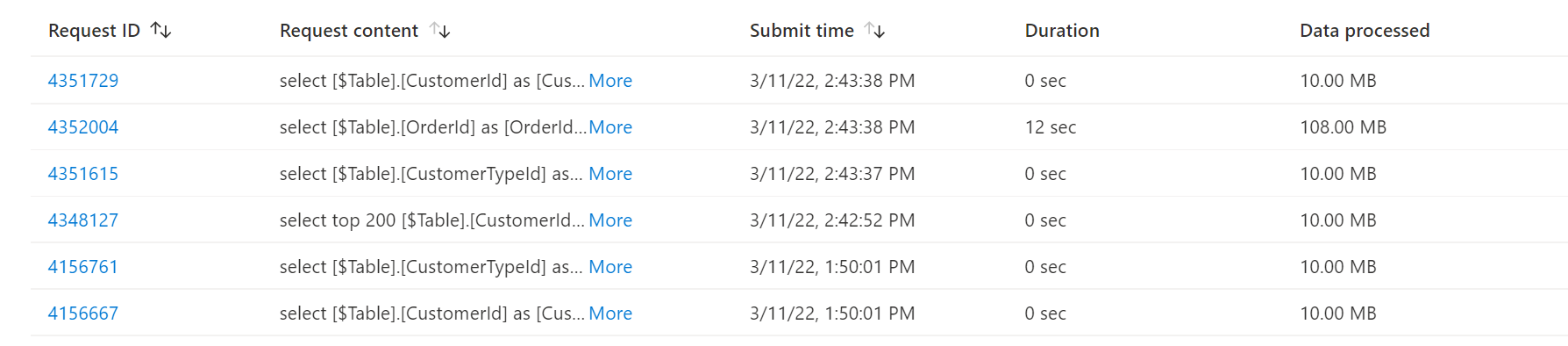
Lakedatabase_query

My slides can be found on SlideShare

SQLBITS 2022

Data Governance with Azure Purview - Ask the Experts

In this session, everyone had the opportunity to ask Victoria, Wolfgang, and me for all of their questions about Azure Purview. During the session we were helped by Richard, who moderated all the questions. We had received a decent set of questions in advance and also during the session many questions were asked by both the Virtual attendees and the in Person. All in all we have given good answers, got some great feedback. It was the first time that we did an Ask the Expert session and we said to each other that we should definitely do this more often.

Final Word

The Friday evening was traditionally closed with a theme party and some can empathize with that. I've seen the craziest costumes pass by.
Saturday I attended sessions all day. We ended the day with the some and drinks in an Italian restaurant.
Sunday was the day of departure, testing and checking in. I can look back on this event tired and satisfied. Once again a big compliment to the organisation, volunteers and speakers for organizing this fantastic event. See you next year.

And Sponsors thank you for making this event happening. Thank you

 

Speaking at SQL BITS 2022

Speaking at SQL BITS 2022

SQL BITS 2022

We’re Hitting the Arcade

SQL Bits is back this year in London from March 8-12 2022. SQLBits is the largest data conference in the world and this year's theme is to bring us back to our incandescent youth, so prepare to level up your data skills and reach a new high score at the arcade-themed 2022 conference!

Not 1 but 2 sessions

This year I will not present 1 session but 2 sessions.

Data Governance with Azure Purview - Ask the Experts

In this session you have to chance to ask any question on data governance for your business using Azure Purview.

We have a panel of 3 MVPs, Victoria, Wolfgang and myself. Richard we help us out with moderating the session.
If you have an urgent question, feel free to ask it via this form https://forms.office.com/r/dTP38LnmsJ
Of course you can also ask your question live during our session on Friday 11 March from 14:10-15:00. You will find us in room 04.

Looking forward to you all

Lake Database with Database Template and Mapping Data with Azure Synapse Analytics

Microsoft asked me to present a session during SQL Bits in the Cloud Scale Analytics solution area.
Of course I wanted to do that, it is an honor to be asked to do so. Once again thank you Tony and Wee Hyong for inviting me.

In this session I will take a closer look at Database Template in Azure Synapse Analytics

Database templates in Azure Synapse Analytics are blueprints which can be used by organizations to plan, architect and design solutions.

How can we use these Database Templates in a day-to-day business, in order to speed up to automate this process? Map data tool can help us with that. The map data tool can generate a mapping data flow without having to start from a blank canvas. In this presentation, you will see how this all works in a step-by-step demo-based session.

The session is on Friday 11 March from 12:00-12:50 and will be like the above session in Room 04

Do you want to know more which sessions Microsoft is delivering:  Ready for SQLBits 2022? - Microsoft Tech Community

Oh yeah, Thursday 10 March, 9:00 am, the keynote will start, which is being led by Bob Ward, along with Buck Woody, Anna Hoffman, Patrick LeBlanc, Evangeline White, and Pedro Lopes, to show you, from SQL Server on-prem to Azure Data in the cloud, the latest and greatest data platform on earth! You better not miss this one, promises to be a nice keynote.


My virtual session at Data Toboggan

My virtual session at Data Toboggan

Data Toboggan

This Saturday I've joined the Data Toboggan to talk about Azure Synapse Analytics.


Azure Synapse Analytics

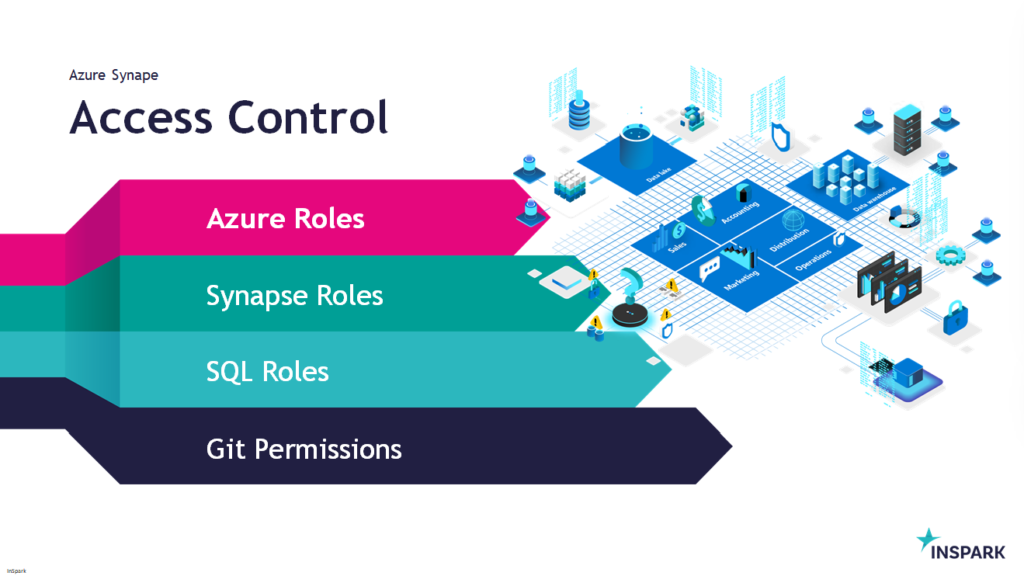
Today I've been talking on how to deal with all the different roles in Azure Synapse Analytics during Data Toboggan. An event 100% focussed on Azure Synapse Analytics.

Synapse-Access-Control

You can find my slides below on Slideshare:

Some useful links:
 
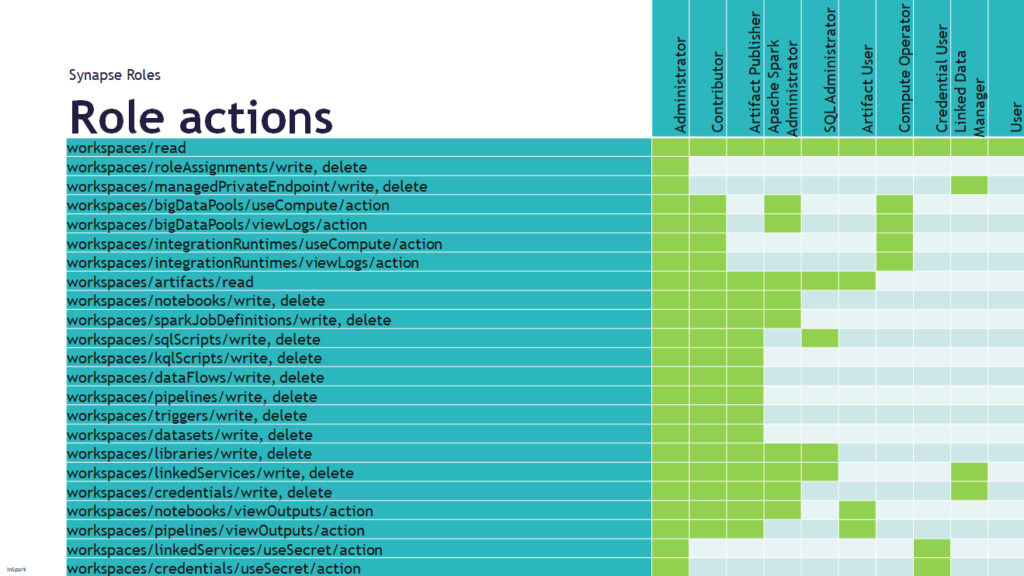
Azure-Synapse-Role-Actions


In case you have any questions left please feel free to ask them via the comment or Socials

How to use concurrency in Azure Synapse pipelines?

How to use concurrency in Azure Synapse pipelines?

How to prevent concurrent pipeline execution?

Concurrency

This week I had a discussion with a colleague about how we can now make sure that a Pipeline does not start when it's already started.

He then indicated, have you ever thought of the concurrency option?  I've seen this option before but never paid attention to it.

How does the concurrency work?

If you read the Microsoft documentation it says the following:
The maximum number of concurrent runs the pipeline can have. By default, there is no maximum. If the concurrency limit is reached, additional pipeline runs are queued until earlier ones complete.

The concurrency option is working in Azure Synapse Analytics and in Azure Data Factory.

I started to test this functionality and there are certainly some nice use cases for that:

  • If the Pipeline was started via a Schedule and someone else triggers this Pipeline Manually, the Pipeline is placed in a queue.
  • Sometimes it happens that there is a delay in the processing of data or that more data is delivered. If you process this data every 30 minutes and the 1st run is not yet ready and the 2nd starts again, this could result in incorrect data. Also in this case the to be executed run is placed in a queue and only starts when the previous one is ready.

It is a fairly simple process but can be quite useful especially in the case of short loading windows.

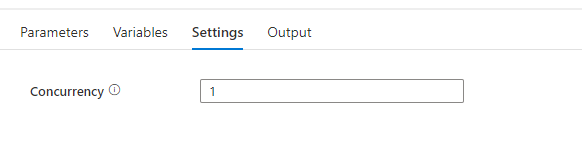
Azure-Synapse-Concurrency

Please pay attention, running the pipeline in a Debug modus has no effect on this and will run directly.
Check the monitoring regularly to check if this situation is not happening all the time, if so,  you better change the recurrence ​of your Triggered Pipeline. You still have the option to cancelled a queued pipeline.

How to enable concurrency?


To enable concurrency in an Azure Synapse pipeline, you can use the Concurrency property in the pipeline settings. The default value is 1, which means that only one copy of the pipeline will run at a time. By default, there is no maximum. If the concurrency limit is reached, additional pipeline runs are queued until earlier ones complete. Setting the concurrency level to a higher value will cause multiple copies of the pipeline to run concurrently, which can improve performance if the pipeline is CPU-bound or if the data source can handle the increased load. If you leave the property blank the pipeline will not be queued. 

Enable-concurrency-Azure-Synapse

When you have any questions regarding concurrency, please let me know.

Azure Synapse Analyics costs analyis for Integration Runtime

Azure Synapse Analyics costs analyis for Integration Runtime

AutoResolveIntegrationRuntime!

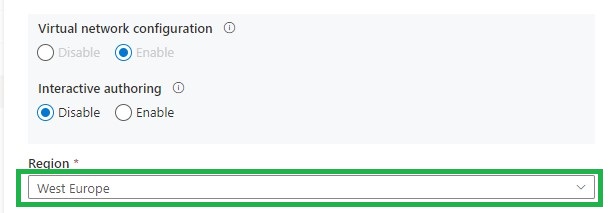
The last few days I’ve been following some discussions on Twitter on using a separate Integration Runtime in Azure Synapse Analytics running in the selected region instead of auto-resolve. The AutoResolveIntegrationRuntime is automatically deployed with Auto Resolve and cannot be changed. If you create a separate Integration Runtime you can set the Region.

Azure_Synapse_IntegrationRuntime


The blog  from Asanka Padmakumara has a good explanation why should you choose for a new Integration Runtime with a dedicated Region so I’m not going in detail of that.

I was more interested what this will do with the costs when Managed Virtual Network is enabled and run a certain Pipeline with AutoResolveIntegrationRuntime enabled or with a manual created Integration Runtime. The final result was quite surprising for me.

Case:

Azure Synapse Analytics deployed with Managed Virtual Network and Private Links in West-Europe region.

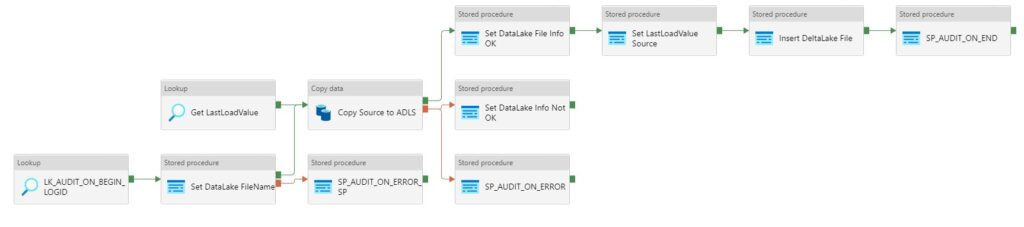
Copy data from a Azure SQL server to Datalake.

Azure_Synapse_Pipeline

Result:

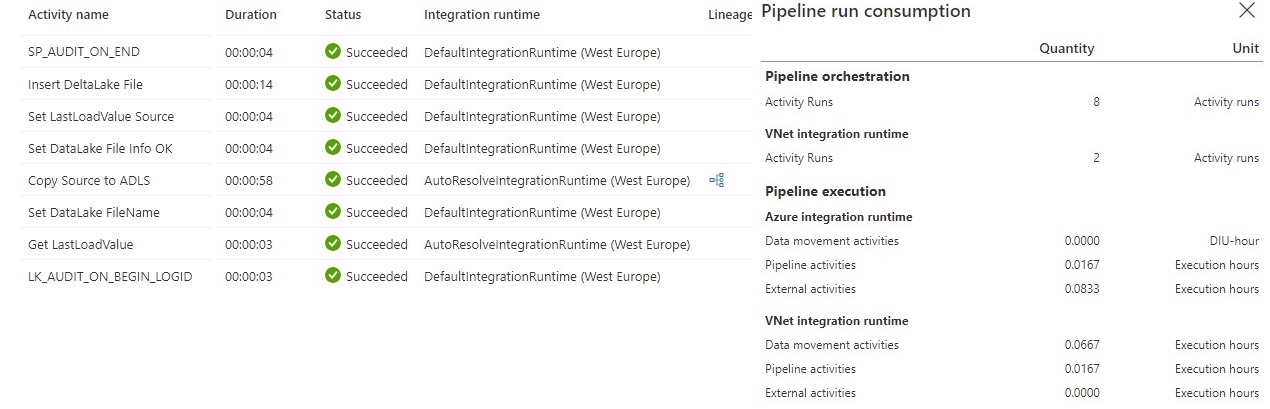
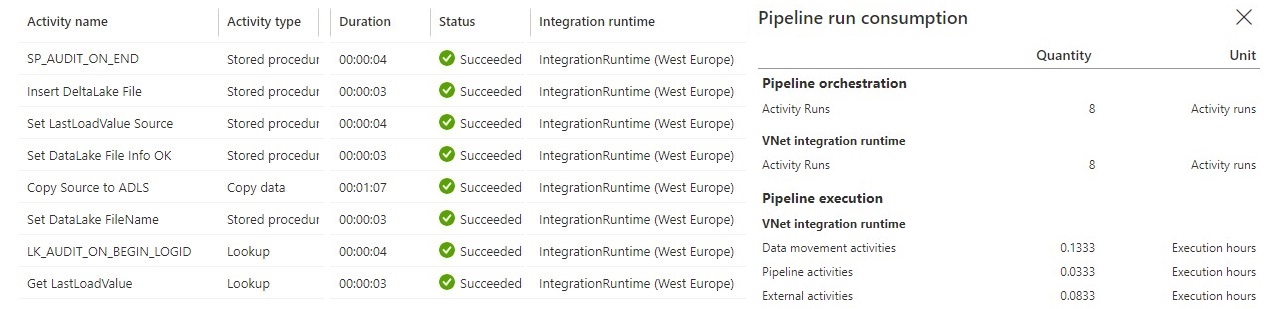
Pipeline Consumption with AutoResolveIntegrationRuntime

Azure Synapse Pipeline AutoResolve

Pipeline Consumption with Integration Runtime created in West-Europe

Azure Synapse Pipeline West Europe


I didn’t expect the consumption of these 2 Integration Runtimes to be different.

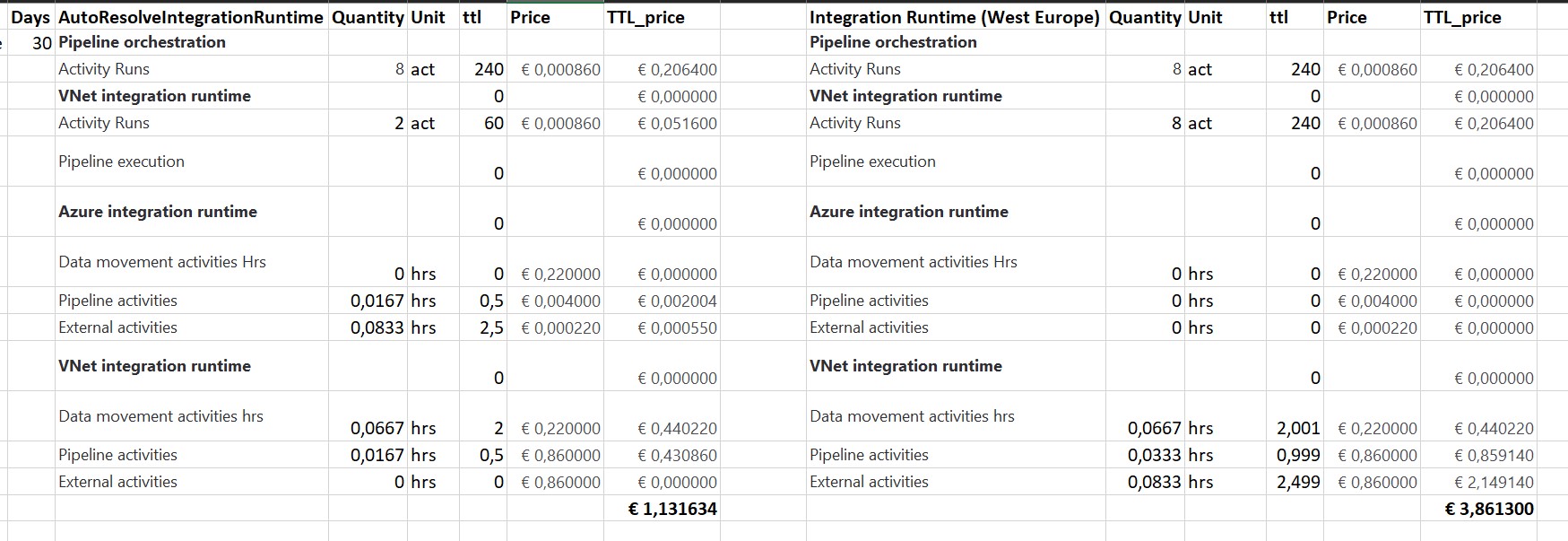
The next step is how does that compare in terms of costs based on the Azure Price Calculator. In the example below,  I did the calculation based on above pipelines and that the pipeline has run 1 month every day(30days).

Azure_Synapse_Cost_Calculation


Conclusion:

When running all my Linked Services on the AutoResolveIntegrationRuntime it looks to be a little bit faster compared to an Integration Runtime created in West-Europe. But there was a huge difference in costs, you have to pay 350% more if you run on an Integration Runtime. That is quite a lot, especially if you run 100 of these Pipelines per day, which is almost € 270 on a monthly basis. These differences probably won’t be there if you don’t use the Managed Virtual Network. 

Remarks:

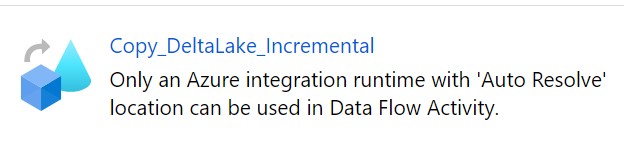
During my test of the Integration Runtime I also found out that you cannot change a DataFlow in Azure Synapse Analytics to an Integration Runtime without auto resolve.

Azure_Synapse_Dataflow_IR


If you enable Managed Virtual Network for auto-resolve Azure IR, the IR in the Data Factory or Synapse Workspace region is used.

=> Integration runtime – Azure Data Factory & Azure Synapse | Microsoft Docs


As always, if you have any questions, let me know.